


If you've been diagnosed with PMOS, or Polyendocrine Metabolic Ovarian Syndrome, and you're hoping to start a family, it's completely normal to feel overwhelmed. You may have heard that getting pregnant will be harder, or perhaps you've been trying for a while without understanding why your cycles feel so unpredictable.
The important thing to know is that PMOS doesn't mean pregnancy is out of reach—it simply means your body may need a little more support in getting there.
PMOS, or Polyendocrine Metabolic Ovarian Syndrome, is one of the most common hormonal conditions affecting women of reproductive age. It's a condition that affects how your hormones work together, which can make it harder for your ovaries to release an egg regularly.
Ovulation is a key part of conception. Without it, there's no egg available to be fertilized. Many women with PMOS ovulate less often, or not at all during some cycles, which naturally reduces the chances of pregnancy. Hormonal imbalances can also affect the quality of ovulation and the production of progesterone, a hormone that helps prepare the lining of the uterus for implantation.
For many women, irregular periods become one of the first signs that something isn't quite right. They can also make it difficult to know when you're most fertile, which often adds to the stress of trying to conceive.
If you're feeling frustrated, you're not alone. PMOS can leave you feeling like your body is working against you, especially when each month brings more questions than answers. Those feelings are valid, but they don't define your fertility.
The encouraging news is that there are practical ways to support your reproductive health.
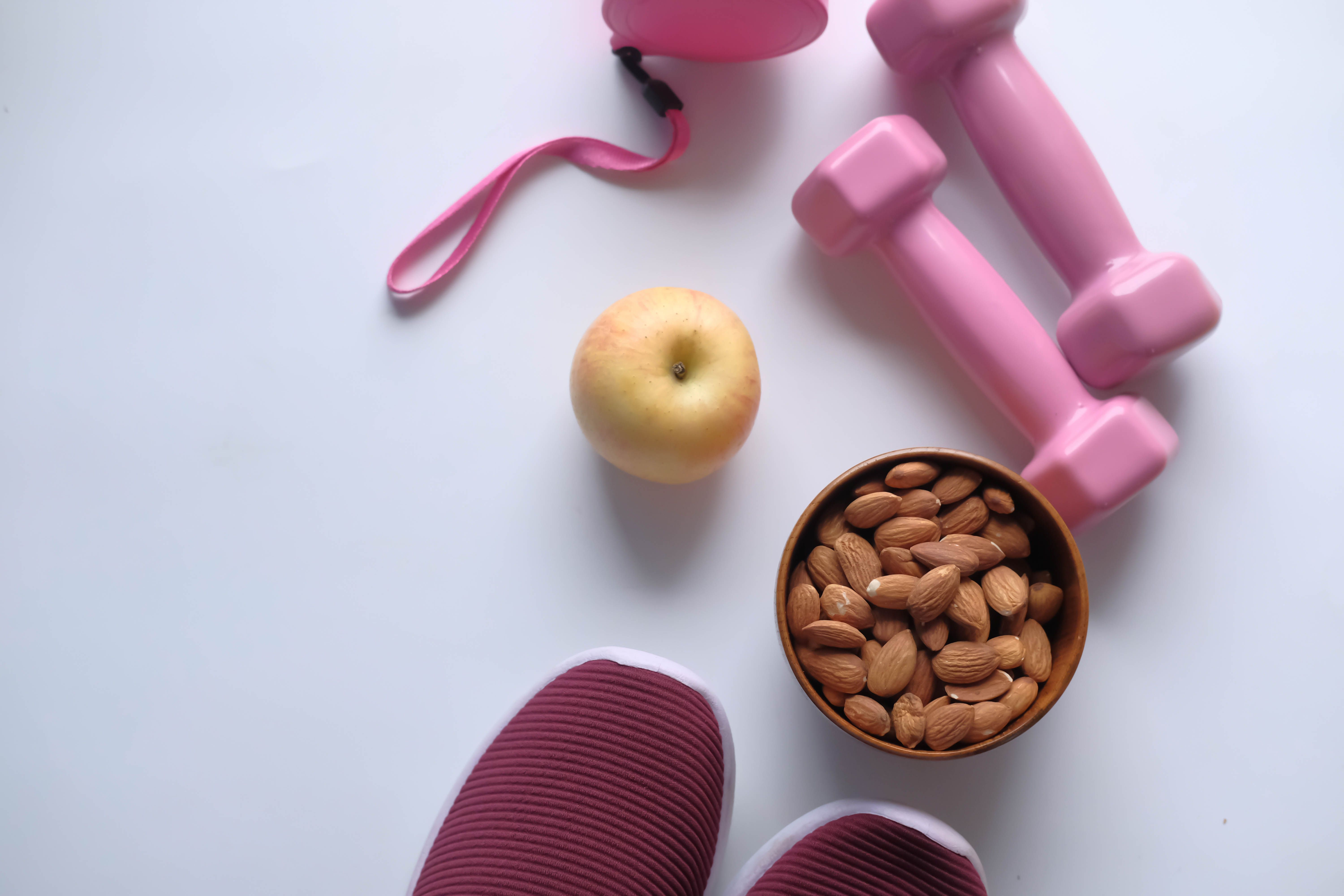
Eating balanced meals with plenty of protein, fiber, healthy fats, and whole foods can help support hormone balance. Regular movement—whether it's walking, strength training, yoga, or something you genuinely enjoy—can also improve how your body responds to insulin, which plays an important role in PMOS. Prioritizing sleep, managing stress where you can, and learning to track your cycle may also help you better understand your body's patterns.
These changes aren't about being perfect but about creating an environment where your hormones have the best chance to function well.
PMOS is part of your story, but it doesn't have to define the ending. With the right support, you can take positive steps to support your reproductive health.


